Hysterectomy at Blossom Clinic By Dr. Sunita Choudhary
HYSTERECTOMY
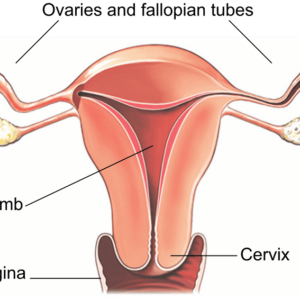
Hysterectomy is a surgical procedure that involves the removal of the uterus. It is performed for various reasons and can be done through different approaches, depending on the patient’s specific condition. Here are key points about hysterectomy and the specialized care provided at Blossom Clinic
Indications for Hysterectomy: Hysterectomy may be recommended for the following conditions:
a. Uterine Fibroids: When fibroids cause significant symptoms or affect a woman’s quality of life, hysterectomy may be considered as a treatment option.
b. Endometriosis: Severe endometriosis that does not respond to other treatments may require hysterectomy to alleviate symptoms.
c. Adenomyosis: In cases where adenomyosis causes persistent pain and discomfort, hysterectomy may be the most effective treatment.
d. Uterine Prolapse: When the uterus descends into or protrudes out of the vaginal canal, hysterectomy may be performed to correct the condition.
e. Gynecologic Cancer: Hysterectomy is often part of the treatment plan for gynecologic cancers, such as uterine, cervical, or ovarian cancer.
Types of Hysterectomy: There are different types of hysterectomy, including:
a. Total Hysterectomy: Removal of the entire uterus, including the cervix.
b. Partial Hysterectomy: Removal of the upper part of the uterus, while preserving the cervix.
c. Radical Hysterectomy: Removal of the uterus, cervix, surrounding tissues, and sometimes, lymph nodes. This procedure is performed for gynecologic cancer treatment.
Surgical Approaches: Hysterectomy can be performed through different surgical approaches, including:
a. Abdominal Hysterectomy: The uterus is removed through an incision in the abdomen. This approach may be chosen for larger fibroids, cancer cases, or when other pelvic organs require evaluation.
b. Vaginal Hysterectomy: The uterus is removed through an incision in the vagina, without any external incisions. This approach is preferred when the uterus is not enlarged and there are no other complicating factors.
c. Laparoscopic Hysterectomy: The uterus is removed through small incisions in the abdomen, using specialized instruments and a laparoscope for visualization. This approach offers a minimally invasive option with faster recovery and less scarring.
d. Robotic-Assisted Hysterectomy: Similar to laparoscopic hysterectomy, but with the assistance of robotic technology for enhanced precision and maneuverability.
Recovery and Post-Operative Care: After hysterectomy, the recovery period can vary depending on the surgical approach and the individual patient. Dr. Sunita Choudhary and her team at Blossom Clinic provide comprehensive post-operative care instructions, pain management, and support to ensure a smooth recovery.
Considerations and Alternatives: Before recommending hysterectomy, Dr. Sunita Choudhary thoroughly evaluates each patient’s condition and discusses alternative treatment options whenever possible. If hysterectomy is deemed necessary, the benefits and risks are carefully explained to help patients make informed decisions.
Support and Counseling: Undergoing a hysterectomy can be an emotionally challenging experience for women. Dr. Sunita Choudhary and her team provide compassionate support and counseling throughout the process to address any concerns or emotional needs.
At Blossom Clinic, Dr. Sunita Choudhary and her team specialize in providing exceptional care for hysterectomy patients. With a focus on personalized treatment plans, advanced surgical techniques, and compassionate support, they aim to ensure the best possible outcomes and optimal well-being for every patient.